
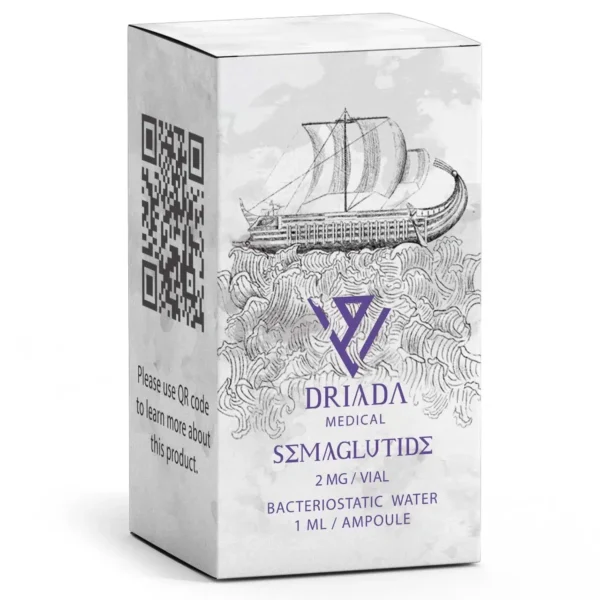
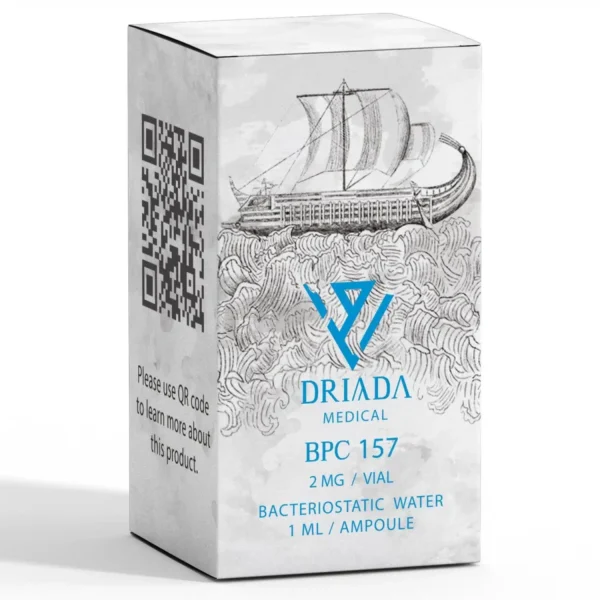

Ipamorelin Driada Medical
€21.00
(Inc. VAT)
Ipamorelin Driada Medical for sale – Buy Peptides, Sarms and anabolic steroids from Driada-steroids.com – 100% Trustet and safe delivery.
Category: Peptides
Tags: Ipamorelin, Ipamorelin Driada Medical
Ipamorelin Driada Medical for sale – Buy Peptides, Sarms and anabolic steroids from Driada-steroids.com – 100% Trusted and safe delivery.
Ipamorelin Driada Medical for sale
The Driada Medical Ipamorelin In youngsters, growth hormones are secreted more often and in more significant quantities. Human growth hormone synthesis starts to slow down and eventually decreases as people age. Ipamorelin therapy can promote the regular synthesis and release of these growth hormones. Ipamorelin is used to help boost the synthesis of growth hormone, which can aid with lean muscle mass gain, body fat reduction, better sleep, increased energy, and overall wellness. Ipamorelin is a peptide that is sought after for its anti-aging properties because it is primarily utilized for collagen creation, wrinkle reduction, accelerating healing and recovery, and improving mood and sleep.
Ipamorelin Driada Medical Facts
Ipamorelin Driada Medical mimics the action of ghrelin. The 1999 discovery of the hormone ghrelin has profound effects on metabolism, inhibiting the breakdown of stored fat. However, ghrelin is primarily responsible for controlling growth hormone release from the pituitary gland. Ipamorelin attaches itself to the pituitary gland’s ghrelin receptors and activates them like ghrelin would naturally. Together, the activation of these receptors has little influence on the other hormones in the body.
Ipamorelin Driada Medical group
The shortened form Growth Hormone Releasing Peptide, or GHRP for short, is the peptide that promotes growth hormone release. This class of medications only contains ghrelin receptor agonists. The process by which they bind to and activate ghrelin receptors is what causes them to become active (ghrelin is a peptide hormone with features similar to gonadoliberin and other metabolic and endocrine functions). This causes the pituitary gland to secrete more of its somatotropic hormone. We shall review the benefits and drawbacks of this growth hormone release strategy below.
Ipamorelin Driada Medical in Medicine
Ipamorelin Driada Medical is a medication used in medicine first investigated as a potential substitute for costly growth hormone therapy in individuals with low levels of self-tropin secretion, such as adults and children. Subsequently, this pharmacological class was discovered to have much more potential for therapeutic use. Growth hormone is most frequently utilized for the same goals as GHRP peptides, which are a more cost-effective option. This could be a more robust healing process following injuries, an improved skin appearance, or a growth in muscular mass.
Mechanism of action from Ipamorelin Driada Medical
The hormone ghrelin, produced by stomach cells in reaction to fasting, is mimicked by all forms of GHRP. The ghrelin receptor (GHS-R1a) is activated by ghrelin and ghrelin mimetics. Elevated ghrelin levels raise growth hormone levels by activating ghrelin receptors in the pituitary gland. Growth hormone is released in response to GHRP, similar to fasting increasing ghrelin.
Research has demonstrated that GHRP medication-induced growth hormone secretion stimulation has various advantageous anabolic effects linked to elevated growth hormone plasma levels. Increased release of the IGF-1 protein, which has numerous other good qualities, including strengthening tendons by promoting collagen production, neuroprotective qualities, and a favorable impact on the immune system, follows a rise in growth hormone levels.
Effects of Increased Growth Hormone and IGF-1
A critical factor in controlling body composition is growth hormone. GH’s potent lipolytic action is one of its essential characteristics. When growth hormone is given to individuals who are deficient in it, lean body mass grows, and body fat mass decreases. According to a recent meta-analysis, healthy athletes who took growth hormone supplements saw an average gain in body mass of 1.8 kg.
Growth hormone directly increases lipolysis by inhibiting several lipogenic enzymes and indirectly increases lipolytic hormone production through increased expression of adipocyte adrenoreceptors, catecholamines, and glucagon. These effects typically result in a higher body fat utilization rate. However, it is impossible to confidently declare that medications in the GHRP group affect fatty tissue similarly, as investigations have demonstrated that these peptides can have effects apart from simply raising the body’s fat content.
Growth hormone functions as an essential anabolic agent in human skeletal muscle and tendon connective tissue. These tissues act as a matrix to transfer force from individual muscle fibers to bone. Consequently, the structure of muscles and tendons will be stronger and more resistant with reinforced connective tissue. This is why athletes utilize growth hormones to heal injuries to their strengths and tendons. Similarly, high growth hormone levels increase serum vitamin D concentrations and intestinal calcium absorption, directly and indirectly strengthening bones.
A highly esteemed impact of growth hormone is its ability to promote muscular anabolism. Growth hormone and IGF-1 production declines correlate with decreased muscle mass and protein synthesis. Growth hormone increases protein synthesis, possibly with the help of energy from its lipolytic activity, and induces the intake of glucose and amino acids. Growth hormone directly and indirectly mediates its action on protein through IGF-1.
Cardioprotective properties
Numerous animal studies have demonstrated the many other advantageous qualities of the GHRP family, which will hopefully be further investigated in the future, in addition to increasing growth hormone and IGF-1 levels. The ability of GHRP to bind to two distinct receptors (GHS-R1a and CD36) appears to mediate its cytoprotective, cardioprotective, and other pharmacological qualities. All of the additional features of GHRP are exhibited in a growth hormone-independent way.
Studies on animal models have demonstrated that GHRP enhances cardiac function in several ways and generates advantageous conditions, including an increase in injection fraction, a drop in blood pressure, an improvement in all heart ventricle dysfunctional disorders (including their reduction with pathological increase), and a reduction in cardiac fibrosis. During ischemia, the cardioprotective qualities of GHRP can stop the death of cardiomyocytes or heart cells and restore vital cardiac functions. Because of these characteristics, GHRP represents a new class of potentially effective cardioprotective drugs.
Cytoprotective properties
For many different types of bodily cells, the GHRP group possesses cardcardioprotective and cytoprotective qualities (protection of cells from injury by numerous effects). qualitieiewed studies’ results support a cytoprotective impact on multiple organs through the reduction of inflammation and the prevention of necrosis, which is the damage to cells that results in their premature death, and apoptosis, which is the process by which cells self-destruct in response to specific internal or external stimuli based on a genetic program. Hepatoprotective qualities are one of these cetoprotective qualities discovered in tests. Additionally, these peptide medications guard against any stress-related harm to the stomach mucosa.
Anti-inflammatory properties with Ipamorelin Driada Medical
Future pharmaceuticals could benefit significantly from GHRPs due to their broad spectrum of therapeutic effects on different bodily tissues and functions. Several tests have revealed no significant adverse consequences from their use in both humans and animals in humans and animals. Athletes in modern sports practice most commonly use these peptides to raise blood levels of growth hormone or stimulate appetite to gain muscle mass. However, the results of the experiments suggest new uses for this class of drugs, which may also gain popularity among athletes in the future. Currently, additional research is needed to demonstrate the constancy of these qualities in human use with the GHRP group medication.
Ipamorelin Driada Medical Effects
- Growth Hormone Releasing Peptides (GHRP) are able to create a greater boost of growth hormone than Growth Hormone Releasing Hormone (GHRH).
- GHRP peptides do not inhibit the production of own endogenous growth hormone.
- Main biological properties
- Increased growth hormone and IGF-a levels in the blood which bears the effect of the main properties of these hormones, such as: lipolysis, tendon strengthening, muscle mass increase, neuroprotection and immune system strengthening.
- Positive inotropic effect (increases the force of heart contractions).
- Antifibrotic effect (Fibrosis is an proliferation of connective tissue with the appearance of cicatricial changes in organs, which usually occurs as a result of chronic inflammation. Fibrous replacement of tissues leads to a gradual loss of their functions and dysfunction of the affected organ). This effect also improves wound healing.
- Anti-inflammatory effect.
- Cytoprotective effect. (Cytoprotective action is the action of protecting body cells from harmful influences). GHRP reduce the side effects of reactive oxygen species (oxygen ions, free radicals, peroxides), enhance antioxidant protection. These cytoprotective abilities have been found in cells of the heart neurons, gastrointestinal tract and liver, representing a full spectrum of protection for parenchymal organs (liver, spleen, lungs, kidneys, pancreas and thyroid).
- Cardioprotective action – as shown, it includes various biological actions that combine to increase the survival of cardiomyocytes (muscle cells of the heart).
- Vasodilating effect.
Ipamorelin Driada Medical Side effects
- All drugs of the group (except Ipamorelin) contribute to an increase in the level of prolactin and cortisol.
- Unline the GHRH group, the GHRP group peptides increase the level of growth hormone regardlss of the level of self- tostatin (growth hormone- inhibiting hormone)in the blood. If the level of self- tostatin is elevated for any reason, GHRH drugs will not increase the level of growth hormone on the blood.
- For the first few weeks, all of these drugs (except Ipamorelin) increase hunger, which is not very good if your goal is to reduce body fat.
Peptide GHRP-6
It was also known as somatotropin-releasing hexapeptide, and it was one of the first medications in this field, having been developed in 1980 (other sources say 1976). Among the funds mentioned above, its efficiency barely reaches number three. Blood levels of prolactin and cortisol are raised; however, if dosages of approximately 100 micrograms per injection are utilized, these levels will be relatively high. GHRP-6 also stimulates hunger.
GHRP-2
It was made by altering the GHRP-6 molecule, and the outcome was a medication with much greater potency than its “parent.” It raises blood levels of prolactin and cortisol. It stimulates appetite following injection, as the trial demonstrated. When given GHRP-2 instead of a placebo, the individuals’ needs were so high that they ate 35.9 +/- 10.9% more, and they all raised their intake even per kilogram of body weight (32.5 kcal/kg vs. 24.2 kcal/kg). Athletes will benefit from this impact when they gain mass, but naturally, it will get in the way of your efforts to lose extra fat.
Hexarelin
Hexarelin, or tesamorelin, is the most potent somatotropic hormone secretion stimulant in the GHRP group and arguably the most potent peptide stimulator of one’s hormone overall. Its most significant effect is on cortisol and prolactin levels, which it raises to the upper limits of standard at all dosage levels.
Ipamorelin
Ipamorelin is the first GHRP receptor agonist with selectivity for growth hormone release comparable to GHRH. The medicine does not typically cause elevated levels of cortisol and prolactin in blood plasma associated with the GHRP category of side effects, even when used in high dosages. Additionally, in contrast to other members of this peptide group, it does not produce an intense sensation of hunger. Ipamorelin functions similarly to GHRP-6 regarding its impact on blood growth hormone levels.
Table of various hormones and appetite increase when using GHRP
| Growth Hormone raising | Cortisol raising |
Prolactin raising | Appetite raising | |
| GHRP-6 | Medium | Low | Low | Medium |
| GHRP-2 | High | Medium | Medium | High |
| Hexarelin | Very High | Very High | Very High | High |
| Ipamorelin | Low | None | None | None |
How to using Ipamorelin Driada Medical
Depending on the medication, growth hormone concentration rises noticeably 40–60 minutes after injection. Growth hormone is injected, and during the next two hours, the attention progressively returns to baseline. This implies that administering injections at least three times a day should be the ideal frequency. Take this at least 30 to 60 minutes before a meal when your blood sugar is not elevated for the optimum effects.
A single injection of 100–200 mcg is the ideal dosage. Growth hormone secretion does not significantly increase when the recommended dosage is exceeded.
Your objectives should dictate how long the course lasts. Still, according to experimental research, it’s crucial to remember that the effects on growth hormone levels appear to diminish after 4–16 weeks of treatment. The rate at which efficacy declines will vary based on your unique physical attributes.
Ipamorelin Driada Medical Combination with other drugs
Administration of GHRP and GHRH will have a synergistic impact because Ipamorelin Driada Medical GHRPs and GHRHs after growth hormone levels by acting on separate receptors. When utilizing any GHRP formulation (100 mcg thrice daily) with CJC-1295 (DAC) 100 mcg once weekly, significant GH-boosting effects will be observed. Additionally, data supports a favorable outcome from using GHRP and L-arginine together.
How to prepare a solution with Ipamorelin Driada Medical Peptide
A syringe pre-filled with diluent is used to make a solution for Ipamorelin Driada Medical injection, which is then injected into a vial containing lyophilized powder. Make sure the needle reaches the bottle wall by tilting the container. Do not directly inject the diluent into the powder that has been lyophilized. Take your time and fill the bottle one at a time; the solvent should gradually run down the wall. After adding all the diluents to the peptide vial, stir the mixture gently (do not shake or agitate the vial) until the lyophilized powder dissolves and a clear liquid is left behind. The medication can now be used.
Never combine different peptides in the same syringe. This may break delicate peptide molecules.
Bodybuilder Usage
- The injection can be subcutaneous, intramuscular, depending on personal preference.
Driada Peptide Storage
- The resultant solution keeps well in a refrigerator between 2 and 8 degrees Celsius for about 21 days. The storage period is extended if bacteriostatic water is used to make the solution.
Be the first to review “Ipamorelin Driada Medical” Cancel reply
RELATED PRODUCTS


BPC-157 Driada Medical
€26.00


CJC-1295 With Dac Driada Medical
€30.00


GHRP-2 Driada Medical
€23.00

HMG Driada Medical Human Menopausal Gonadotropin
€32.00


Semaglutide Driada Medical
€37.00
Reviews
There are no reviews yet.